
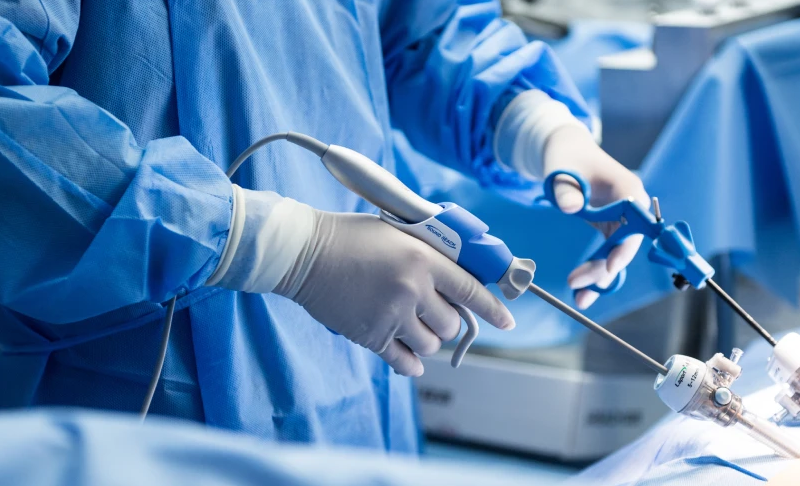
Modern surgery continues to advance through the development of specialized tools designed to enhance precision, consistency, and safety in the operating room. Among these innovations, Linear Cutter Staplers have become essential for tissue transection and closure in a wide range of procedures. At the same time, Circular Staplers play a critical role in creating secure anastomoses during complex surgical interventions. Independently, these technologies support surgeons in achieving reliable outcomes while improving efficiency and patient recovery.
As surgical techniques evolve, the importance of selecting the right stapling solution for each procedure has become increasingly clear.
The Growing Role of Stapling Technology in Surgery
Stapling technology has transformed how surgeons approach tissue management. Compared to traditional suturing, mechanical stapling offers:
- Faster and more consistent tissue closure
- Reduced variability between surgeons
- Lower risk of uneven tension on tissues
- Improved workflow efficiency
These advantages have made stapling solutions a standard component of modern surgical practice across multiple specialties.
Understanding Linear Cutter Staplers in Clinical Use
Linear Cutter Staplers are designed to simultaneously staple and divide tissue in a straight line. This dual functionality allows surgeons to perform tissue transection and closure in a single action, reducing procedure time and improving consistency.
Common Applications
- Gastrointestinal resections
- Lung tissue transection
- Bariatric surgery procedures
- General surgical tissue division
By delivering parallel rows of staples while cutting between them, Linear Cutter Staplers help ensure secure closure with minimal tissue trauma.
Key Benefits of Linear Cutting Technology
The widespread adoption of linear cutting tools is driven by several clinical advantages.
Precision and Uniformity
Staples are placed evenly, reducing the risk of leaks or weak closure points.
Time Efficiency
Simultaneous cutting and stapling streamline surgical workflows.
Reduced Tissue Handling
Minimized manipulation lowers the risk of inflammation and post-operative complications.
Adaptability
These devices are available in multiple sizes and configurations to suit different tissue types.
Design Considerations for Linear Stapling Devices
Effective performance depends on thoughtful engineering and design.
Essential Design Features
- Controlled staple formation
- Adjustable tissue compression
- Ergonomic handling for surgeon comfort
- Reliable firing mechanisms
- Compatibility with open and minimally invasive procedures
These features ensure predictable outcomes during complex surgical tasks.
The Role of Circular Staplers in Surgical Reconstruction
While linear tools focus on straight-line closure, Circular Staplers are engineered to create circular connections between two hollow organs. This capability is particularly important in procedures requiring end-to-end or end-to-side anastomosis.
Common Clinical Applications
- Colorectal surgery
- Esophageal procedures
- Gastric reconstructions
- Intestinal anastomosis
By forming a circular ring of staples, Circular Staplers enable secure and uniform tissue connections that support proper healing.
Advantages of Circular Stapling Techniques
The use of circular stapling technology offers several benefits in reconstructive surgery.
Secure Anastomosis
Uniform staple placement reduces the risk of leaks at the connection site.
Consistency Across Procedures
Standardized staple formation improves predictability of outcomes.
Reduced Operating Time
Faster anastomosis creation shortens procedure duration.
Support for Complex Surgeries
Circular designs allow surgeons to perform reconstructions in anatomically challenging areas.
Engineering Principles Behind Circular Staplers
The effectiveness of circular devices relies on precise engineering.
Key Engineering Priorities
- Accurate alignment of tissue ends
- Controlled compression before firing
- Reliable cutting and staple formation
- Ease of positioning within surgical sites
These factors are essential for achieving strong, well-healed anastomoses.
Use in Minimally Invasive and Advanced Surgical Techniques
Both linear and circular stapling technologies have evolved to support minimally invasive surgery.
Benefits in Minimally Invasive Settings
- Smaller incisions
- Reduced post-operative pain
- Faster patient recovery
- Lower infection risk
- Improved cosmetic outcomes
Adaptations for laparoscopic and robotic-assisted surgery allow these tools to be used effectively in modern operating environments.
Impact on Surgical Outcomes and Patient Safety
Stapling technologies directly influence patient outcomes by improving closure quality and reducing complications.
Patient-Centered Benefits
- Reduced bleeding
- Lower risk of leakage
- Faster wound healing
- Shorter hospital stays
When selected and used appropriately, stapling tools enhance both procedural success and overall patient experience.
Importance of Training and Proper Device Selection
While stapling devices improve consistency, proper training remains critical.
Training Focus Areas
- Understanding tissue thickness compatibility
- Selecting the appropriate device for each procedure
- Correct positioning and firing techniques
- Post-operative assessment of staple lines
Comprehensive training ensures safe and effective use across surgical teams.
Quality and Regulatory Considerations
All surgical stapling tools must meet strict regulatory and quality standards.
Key Quality Requirements
- Biocompatible materials
- Performance and durability testing
- Sterilization validation
- Risk management and documentation
Adherence to these standards ensures patient safety and clinical reliability.
Challenges in Stapling Technology Adoption
Despite their benefits, stapling tools present certain challenges:
- Cost considerations for healthcare facilities
- Device selection complexity
- Learning curves for new surgical teams
- Integration with evolving surgical techniques
Ongoing innovation and education continue to address these issues across the industry.
Future Trends in Surgical Stapling Solutions
The future of stapling technology is closely tied to broader advancements in medical innovation.
Emerging Developments Include:
- Smart stapling systems with real-time feedback
- Enhanced materials to support tissue healing
- Integration with robotic surgical platforms
- Data-driven performance monitoring
These trends aim to further improve precision, safety, and outcomes in surgical care.
Strategic Importance in Modern Healthcare Systems
Efficient surgical tools support healthcare systems focused on quality and scalability. Stapling technologies contribute to:
- Standardized surgical procedures
- Reduced operating room time
- Improved workflow efficiency
- Better resource utilization
These advantages are increasingly important as surgical demand continues to grow.
Conclusion
Specialized stapling technologies have become indispensable in modern surgical practice. Linear Cutter Staplers support precise tissue transection and closure, while Circular Staplers enable secure and consistent anastomoses in complex reconstructive procedures. Operating independently within surgical workflows, these tools enhance efficiency, safety, and patient outcomes.
As surgical techniques continue to evolve, the ongoing development and refinement of stapling technologies will remain essential to advancing the quality of care across healthcare systems worldwide.